The ongoing Iran war and resulting geopolitical instability have created one of the most significant global supply chain disruptions in recent history. With the Strait of Hormuz effectively closed, major ocean carriers suspending services, and air freight routes being redirected, Canadian importers are facing rising costs, longer transit times, and unprecedented uncertainty.
For businesses that rely on international supply chains, understanding how these developments affect freight movement into Canada is essential — and partnering with an experienced Canadian customs broker is now more valuable than ever.
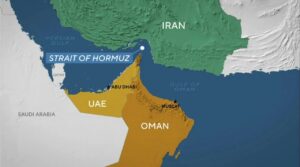
Strait of Hormuz Closures Are Disrupting Global Shipping
The Strait of Hormuz is one of the world’s most important shipping corridors, carrying nearly a quarter of global seaborne oil and significant volumes of LNG and industrial goods. Since late February 2026, vessel traffic has collapsed by 70% within hours of Iran’s restrictions, leaving hundreds of ships stationary in the Gulf of Oman. Maritime analysts report the waterway is effectively closed, with tanker traffic at a near standstill.
Why this matters for Canadian importers:
Even if you don’t import directly from the Middle East, global shipping networks are interconnected. When carriers reroute or suspend services, it causes worldwide equipment shortages, port congestion, and increased freight pricing — all of which ultimately affect Canada-bound shipments.
Ocean Freight to Canada Is Facing Delays, Rerouting, and Capacity Reductions
According to a report by maritimenews.com major global carriers — including Maersk, MSC, CMA CGM, and Hapag‑Lloyd — have halted Strait of Hormuz crossings and are rerouting vessels around the Cape of Good Hope. These diversions can add two to four weeks to normal transit times.
Canadian businesses should expect:
- Longer lead times for Asia–North America trade lanes
- Reduced vessel capacity as ships reposition away from the Gulf
- Higher freight costs driven by fuel, insurance, and war‑risk surcharges
- Possible cancellation or suspension of existing bookings
Air Freight Routes Are Disrupted by Middle East Airspace Closures
Airspace restrictions and military activity in the region have resulted in widespread flight cancellations, delays, and rerouting. Several Middle East corridors — normally among the busiest in the world — are partially closed or heavily restricted.
Impact on Canadian importers using air freight:
- Longer transit times on critical lanes
- Reduced cargo capacity
- Higher rates driven by detours and fuel consumption
- Limited space for time‑sensitive shipments
Businesses relying on “just‑in‑time” inventory may need to adjust production and procurement timelines.
Supply Chain Volatility Is Affecting Global Commodities and Canadian Pricing
Even goods not physically shipped through the Strait of Hormuz are being impacted. Analysts at Bloomberg warn of “cascading effects across the global economy” as the conflict disrupts oil, fertilizer, metals, and other essential commodities.
Key impacts include:
- 250 million barrels of oil blocked in the first 12 days of the conflict
- Global price increases for copper, nickel, and cobalt due to shortages
- Rising agricultural costs as nearly half of global urea supply originates from the region
Canadian importers should prepare for continued volatility in fuel surcharges, material costs, and landed pricing.
Carrier Booking Suspensions and Force Majeure Policies Now Apply
Carrier responses to the Iran war include declaring force majeure, allowing them to suspend commitments, revise schedules, and increase pricing unpredictably. Major lines have halted bookings and moved ships into safe zones.
- Suspension of new bookings to/from Middle Eastern ports
- Requirement to reconfirm all existing freight rates
- Application of GRIs, war‑risk surcharges, terminal fees, fuel adjustments, and elevated insurance premiums
With rates changing daily, importers should avoid relying on outdated quotes.
Emergency Risk Surcharges (ERS) Are Adding New Costs
Given the heightened geopolitical risks, an Emergency Risk Surcharge (ERS) now applies to all Middle East cargo — whether it is not yet shipped, stuffed, loaded, or awaiting clearance.
This aligns with global carrier behaviour as vessels incur:
- Higher security costs
- Increased fuel consumption from rerouting
- Elevated insurance premiums
- Crew hazard compensation
Analysts confirm surcharges are expected to remain elevated for months as the conflict continues.
Canadian importers should update their landed‑cost projections accordingly.
Port Congestion Is Increasing Detention and Demurrage Risks
With carriers anchoring or rerouting, congestion is rising at both origin and destination ports. Hundreds of vessels have been reported stationary in the Gulf of Oman alone.
- Expect detention and demurrage charges
- Waivers or concessions cannot be guaranteed
- Terminals face staffing shortages and operational slowdowns
This means Canadian importers should proactively build buffer time into their supply chain planning.
Unshipped Cargo: Cancel or Retain? Importers Must Decide Immediately
For cargo not yet shipped, there are two options:
Option A — Cancel booking and retrieve cargo
Charges apply for:
- Detention
- Handling
- Storage
- De‑stuffing
Option B — Retain cargo and ship at the first available opportunity
However:
- No revised sailing dates can be provided
- No delivery timeline is guaranteed
- All ongoing costs remain the customer’s responsibility
Given the near‑zero vessel movement through Hormuz, businesses must weigh urgency, cost, and inventory needs when making their decision.
What Canadian Importers Should Do Now
To minimize disruptions and control costs, we recommend:
✔ Audit all upcoming shipments
Identify any cargo originating from, destined for, or transshipped through Middle East ports.
✔ Reconfirm freight rates frequently
Fuel and insurance markets remain highly volatile.
✔ Build extra lead time into your supply chain
Expect significant delays for both ocean and air freight.
✔ Maintain close communication with your customs broker
We monitor carrier announcements, global advisories, and routing changes in real time.
Navigating the Iran War’s Impact on Canadian Imports
The Iran war has created the largest Middle Eastern logistics disruption in decades. For Canadian importers, the effects are unavoidable:
longer transit times, higher freight costs, booking suspensions, equipment shortages, commodity price spikes, and general market instability.
As your customs and logistics partner, we are committed to providing up‑to‑date, accurate, and proactive guidance as the situation evolves. If you have shipments at risk or upcoming import needs, reach out to your account representative for a tailored strategy.
Clayton Castelino is the author of this blog and Vice-President of Orbit Brokers, where he leads the team with over two decades of experience in customs management and operations. Starting as a Customs Rater in 2004, he steadily advanced through the company, earning his professional customs broker designation and stepping into leadership roles. His deep industry knowledge and commitment to client service continue to guide Orbit Brokers’ growth and success.